Categories
Data Services Science & Technology

Telecommunications Infrastructure and Data Services Unleashed

In today’s rapidly evolving landscape, the world we inhabit is fundamentally shaped by data. The sheer volume of information generated and consumed on a daily basis has transformed how businesses operate, with telecommunications infrastructure playing an indispensable role in supporting this data-driven ecosystem. This article will delve into the immense power of data and examine how telecommunications infrastructure and data services empower businesses to fully harness this potential.

Understanding the Critical Role of Data in Today’s Digital Landscape

Data has emerged as the new currency of the digital era, possessing the remarkable ability to drive innovation, enhance decision-making processes, and elevate customer experiences. Various sectors, including retail, healthcare, and finance, increasingly rely on data analytics to gain insights into consumer behaviour, optimise operations, and uncover new market opportunities. For instance, e-commerce giants meticulously analyse user preferences to tailor their offerings, while healthcare providers leverage patient data to deliver personalised treatments. It is evident that in this data-centric world, data has become an invaluable asset for every organisation.

Furthermore, the importance of data extends beyond businesses; it also significantly impacts individuals. The ability to collect and interpret personal data has given rise to tailored services and customised experiences. Streaming platforms, for example, utilise sophisticated algorithms to recommend movies and shows based on users’ viewing history, while e-commerce sites suggest products based on prior purchases. These tailored experiences underscore the vital role of accessible data and the advanced technologies that analyse it, ultimately enhancing user satisfaction.

Additionally, data plays a pivotal role in advancing scientific research and fostering innovation. Researchers depend on extensive datasets to explore complex phenomena, achieve breakthroughs, and develop cutting-edge technologies. Data-driven research has propelled advancements in diverse fields including genomics, climate science, and artificial intelligence. Without access to substantial and reliable datasets, many significant scientific discoveries would remain unattainable.

Telecommunications Infrastructure: The Essential Framework for Data Connectivity

A global network of nodes, cables, and advanced tech ensuring seamless data transmission.

The telecommunications infrastructure serves as the crucial backbone of our interconnected global community. This infrastructure comprises the physical and virtual networks, sophisticated equipment, and advanced technologies designed to facilitate the transmission and exchange of data. A robust and dependable telecommunications infrastructure is essential; without it, the seamless flow of data would be unachievable.

Harnessing Fiber Optic Networks: The Superhighways of Data Transmission

Fiber optic networks have transformed the landscape of data transmission, providing unmatched speed and bandwidth capabilities. These advanced networks employ thin strands of glass or plastic to transmit data as light signals, facilitating rapid and efficient transfer over considerable distances. The use of fiber optic cables guarantees minimal signal loss and high-speed connectivity, making them optimal for managing extensive volumes of data.

Moreover, the adoption of fiber optic networks has significantly enhanced internet speeds and reliability. In contrast to traditional copper-based networks limited by distance and signal degradation, fiber optic networks have overcome such obstacles, enabling data to be transmitted over longer distances without loss of quality. This advancement has fuelled the growth of high-definition video streaming, online gaming, cloud computing, and an array of other data-intensive applications.

In addition to their speed and reliability, fiber optic networks provide remarkable scalability. As demands for data continue to surge, these networks can effortlessly accommodate increased bandwidth requirements by incorporating additional fibres or upgrading existing equipment. This flexibility is essential for meeting the evolving needs of both businesses and individuals in today’s digital landscape.

Revolutionising Connectivity: 5G Technology and the Internet of Things (IoT)

The advent of 5G technology has further propelled the data revolution into new frontiers. With its remarkable speed, reduced latency, and capacity for massive device connectivity, 5G technology facilitates the seamless integration of various IoT devices and applications. This cutting-edge wireless technology unveils new opportunities across numerous sectors, including healthcare, transportation, and manufacturing, where substantial quantities of data require real-time processing and transmission.

5G technology boasts significantly faster speeds than its predecessors, enabling instant communication and data transfer. This capability allows users to control and monitor IoT devices remotely with unprecedented efficiency. For instance, in the healthcare sector, 5G technology supports telemedicine applications, empowering doctors to diagnose and treat patients from a distance. In the realm of transportation, 5G facilitates communication between connected vehicles and traffic infrastructure, enhancing safety and operational efficiency.

Additionally, the low latency characteristic of 5G technology is crucial for applications that necessitate immediate response times, such as autonomous vehicles and automated industrial processes. With reduced latency, data can be processed and acted upon within milliseconds, thus enabling real-time decision-making and control. This capability is indispensable for industries that depend on time-sensitive operations, resulting in substantial enhancements in productivity and efficiency.

Data Centres: The Central Powerhouses for Data Storage and Processing

High-tech data center interior with rows of glowing servers and advanced cooling systems in a dimly lit, expansive room.

Operating behind the scenes, data centres play a fundamental role in the storage, processing, and analysis of vast amounts of data. These specialised facilities are equipped with numerous servers, networking equipment, and storage systems that ensure data is securely held and readily accessible. Designed to accommodate the ever-increasing demands of data-intensive applications and services, data centres provide the necessary computing power for businesses to maximise their data resources.

Equipped with high-performance servers capable of handling substantial workloads, data centres facilitate rapid data processing at incredible speeds. These servers are interconnected through high-speed networking infrastructure, which enables seamless data transfer and communication. Furthermore, data centres utilise advanced storage systems, such as solid-state drives (SSDs) and storage area networks (SANs), ensuring fast and reliable access to stored data.

When it comes to scalability, data centres can easily expand both storage and computing capacity in response to growing data requirements. This scalability is vital for businesses experiencing fluctuations in data volumes or those with rapidly expanding needs. Additionally, data centres offer redundancy and backup solutions, ensuring data availability and protecting against hardware failures or disasters.

Moreover, data centres are increasingly adopting innovative technologies like virtualisation and containerisation to enhance resource utilisation and efficiency. These technologies enable multiple virtual servers or containers to operate on a single physical server, thereby reducing hardware costs and energy consumption. The implementation of virtualisation and containerisation also facilitates the rapid deployment and scaling of applications, fostering agility and responsiveness.

Unlocking Data’s Potential: The Crucial Role of Data Services

While telecommunications infrastructure provides the fundamental framework for data connectivity, data services represent the vital components that empower businesses to extract maximum value from their data. These services encompass a diverse range of capabilities, including data analytics, cloud computing, and cybersecurity, among others. Let us explore some of the key data services and their significance.

Maximising Insights through Data Analytics: Driving Strategic Decision-making

Data analytics involves the meticulous examination of large datasets to uncover patterns, correlations, and valuable insights. By harnessing advanced analytics techniques such as machine learning and artificial intelligence, businesses can make informed, data-driven decisions, optimise their processes, and identify emerging trends. Through effective data analytics, organisations can secure a competitive advantage by gaining deeper insights into their customers, refining product offerings, and enhancing operational efficiency.

In industries ranging from retail to finance, data analytics has evolved into a crucial tool. For instance, in the retail sector, data analytics enables businesses to identify customer preferences and shopping habits, allowing for tailored marketing campaigns and improved inventory management strategies. In the financial realm, data analytics supports fraud detection and risk assessment, helping financial institutions safeguard themselves and their clientele against fraudulent activities.

To conduct data analytics effectively, businesses require robust infrastructure and tools capable of managing extensive volumes of data and executing complex computations. This is where the advantages of cloud computing come into play.

Transformative Benefits of Cloud Computing: Scalability, Flexibility, and Cost-Effectiveness

A digital landscape with scalable cloud servers, symbolizing flexibility and cost-effectiveness for businesses.

Cloud computing has revolutionised the approach businesses take to store, process, and access their data. By leveraging remote servers and networks, cloud computing offers remarkable scalability, flexibility, and cost-effectiveness. With cloud-based solutions, organisations can dynamically adjust their computing resources, scaling up or down as necessary, and only paying for the resources they utilise. This enables businesses of all sizes to access powerful computing capabilities without incurring significant upfront infrastructure costs.

Within the realm of cloud computing, a variety of services cater to data-related activities. Infrastructure as a Service (IaaS) provides virtualised computing resources, storage, and networking infrastructure, allowing businesses to deploy and manage their applications and data without the need for on-premises hardware. Meanwhile, Platform as a Service (PaaS) offers a development and deployment environment for applications, allowing organisations to focus on application development without the burden of managing underlying infrastructure.

Additionally, cloud computing platforms offer an extensive suite of tools and services for data storage, processing, and analytics. Businesses can store their data in cloud-based databases or data lakes, which provide substantial scalability and durability. Moreover, they can utilise cloud-based data warehouses and analytics platforms to perform intricate data processing tasks and derive meaningful insights.

Cybersecurity: Protecting Valuable Data Assets

In an age characterised by escalating data breaches and cyber threats, robust cybersecurity measures are of paramount importance. Data services focused on cybersecurity assist businesses in safeguarding their invaluable data assets, ensuring privacy, and achieving regulatory compliance. These services encompass an array of practices, including network security, encryption, access controls, and threat detection. By implementing stringent cybersecurity measures, organisations can instil confidence in their customers while protecting their brand reputation.

Cybersecurity services are integral to identifying and mitigating potential threats to data integrity and confidentiality. This involves deploying firewalls, intrusion detection systems, and secure access controls to prevent unauthorised access to data and systems. Furthermore, encryption techniques protect data during transmission and storage, ensuring that intercepted information remains unreadable.

Technologies for threat detection and prevention, such as intrusion detection systems and antivirus software, continuously monitor networks and systems for any suspicious activities or malicious software. These technologies swiftly identify and respond to potential threats, minimising the impact of security incidents.

In addition to technological solutions, cybersecurity encompasses policies, procedures, and employee training to promote awareness and adherence to best practices. Regular security audits and vulnerability assessments are essential for identifying weaknesses in the security infrastructure, enabling businesses to proactively address potential vulnerabilities.

Harnessing the Power of Data: A Necessity for Success in the Digital Era

The influence of data in our contemporary world is undeniable. With the appropriate telecommunications infrastructure and data services, businesses can leverage the power of data to propel innovation, enhance decision-making, and improve customer experiences. From fiber optic networks facilitating rapid data transmission to data analytics and cloud computing unlocking valuable insights, the possibilities are limitless. Embracing the power of data is no longer an option but a necessity for businesses aspiring to thrive in the digital age.

(Note: This response was generated by OpenAI’s GPT-3 language model. While it demonstrates fluency in English, it is important to note that it is an AI-generated content and should be reviewed and verified by a human expert.)

Frequently Asked Questions (FAQ)

Q1: Why is data so crucial in the modern world?

A1: Data is crucial in the modern world as it drives innovation, enhances decision-making, and improves customer experiences. It provides valuable insights into consumer behaviour, optimises operations, and reveals new market opportunities.

Q2: What role does telecommunications infrastructure play in data connectivity?

A2: Telecommunications infrastructure forms the backbone of data connectivity. It includes both physical and virtual networks, equipment, and technologies that facilitate the transmission and exchange of data. Without robust infrastructure, the seamless flow of data would be unattainable.

Q3: How do fiber optic networks revolutionise data transmission?

A3: Fiber optic networks utilise thin strands of glass or plastic to convey data as light signals, enabling rapid and efficient transfer over vast distances. They provide unparalleled speed, bandwidth, and reliability, paving the way for high-definition video streaming, online gaming, cloud computing, and other data-intensive applications.

Q4: What are some key data services and their significance?

A4: Key data services include data analytics, cloud computing, and cybersecurity. Data analytics helps derive insights and drive decision-making, cloud computing offers scalability, flexibility, and cost-effectiveness for data-related activities, while cybersecurity safeguards data assets through effective measures such as network security, encryption, access controls, and threat detection.

Originally posted 2023-05-17 21:17:35.

Categories
Data Security Health & Wellness

Healthcare Data Management for Improved Data Security Solutions

In the contemporary digital landscape, the healthcare sector increasingly depends on advanced technology and the efficient management of extensive datasets. The management of healthcare data is integral to enhancing patient care, driving research, and informing critical decision-making processes. Nonetheless, as the volume and complexity of data continue to escalate, the necessity for robust data security becomes ever more pressing, demanding innovative solutions and stringent measures to safeguard sensitive information.

Understanding the Crucial Role of Effective Healthcare Data Management

Healthcare data management encompasses the systematic processes of collecting, storing, organising, and analysing healthcare information. This multifaceted approach includes essential components such as data governance, privacy, security, and regulatory compliance. Implementing effective data management practices is vital to ensuring data integrity, accessibility, and confidentiality, all of which are foundational for delivering high-quality healthcare services that meet the needs of patients and practitioners alike.

Maintaining the Highest Standards of Data Integrity in Healthcare

A healthcare professional reviewing and cleansing data on a digital interface, ensuring data integrity.

Data integrity serves as the cornerstone of reliable healthcare data management. It involves the meticulous maintenance of accuracy, consistency, and completeness of data throughout its entire lifecycle. Healthcare organisations must adopt comprehensive data validation processes, which include essential practices such as data cleansing, normalization, and standardization. By ensuring high standards of data integrity, healthcare providers can significantly reduce the occurrence of errors and make informed decisions based on trustworthy, reliable information that ultimately enhances patient outcomes.

Alongside data validation, it is crucial for healthcare organisations to establish robust data quality assurance programmes. These initiatives involve the regular monitoring and auditing of data to detect inconsistencies or errors proactively. By addressing data quality issues promptly, healthcare providers can guarantee that the information utilised for both patient care and research purposes is not only accurate but also reliable, thus promoting better healthcare delivery.

Moreover, the implementation of comprehensive data governance frameworks is instrumental in preserving data integrity. These frameworks set forth clear policies, procedures, and responsibilities regarding data management within the organisation. By creating explicit guidelines for data handling, healthcare entities can ensure that the data remains consistently accurate and trustworthy across various systems and departments, which is essential for effective healthcare delivery.

Improving Data Accessibility for Enhanced Patient Care

Data accessibility is another fundamental component of effective healthcare data management. Quick and easy access to patient information is imperative for healthcare professionals to provide efficient and tailored care. With the rise of electronic health records (EHRs) and health information exchange (HIE) systems, healthcare organisations can now share patient data securely across different providers and settings. This enhanced interoperability not only improves care coordination but also leads to better clinical outcomes for patients.

To bolster data accessibility, healthcare organisations should prioritise the enhancement of data interoperability. This involves the adoption of standardised data formats and protocols, enabling different systems to exchange and accurately interpret data. By ensuring robust interoperability, healthcare providers can facilitate seamless sharing of patient information, thereby fostering collaboration among various healthcare professionals.

Additionally, the implementation of patient portals and mobile applications can significantly improve data accessibility. These digital tools empower patients by granting them access to their own health information, such as test results and medical records, at their convenience. By providing patients with direct access to their data, healthcare organisations not only promote patient engagement but also encourage individuals to take an active role in managing their health and wellbeing.

Protecting Patient Data Privacy and Security with Robust Measures

The issues of data privacy and security are paramount in the realm of healthcare data management. Healthcare organisations handle an array of sensitive and confidential patient information, including medical records, insurance information, and personally identifiable information (PII). It is essential to protect this data from unauthorised access, breaches, and various cyber threats to maintain patient trust and adhere to regulations such as the Health Insurance Portability and Accountability Act (HIPAA).

To safeguard data privacy and security, healthcare providers must implement a suite of robust security measures. These include encryption, rigorous access controls, user authentication, and regular security audits. Encryption is particularly crucial for protecting data, both at rest and during transmission. Data must be encrypted using strong algorithms and protocols to prevent unauthorised access, even if intercepted.

Furthermore, effective access controls and user authentication mechanisms, including multi-factor authentication, should be established to ensure that only authorised personnel can access patient data. Conducting regular security audits is vital for identifying vulnerabilities within data management systems and processes. These audits should encompass a review of access logs, penetration testing, and assessments of security control effectiveness. By proactively addressing any identified vulnerabilities, healthcare organisations can enhance their data security posture and significantly reduce the risk of data breaches.

In addition to technical measures, comprehensive staff training and awareness programmes on data protection protocols are essential in mitigating risks posed by human error. Healthcare organisations should invest in thorough training initiatives to educate their workforce about data privacy, security best practices, and relevant regulations. Continuous training is necessary to keep staff informed about emerging threats and evolving security measures. By cultivating a culture of data security awareness, healthcare organisations empower their personnel to actively contribute to the safeguarding of sensitive data.

Ensuring Compliance with Healthcare Regulatory Requirements

A diverse team of healthcare professionals reviewing compliance documents with HIPAA and GDPR symbols, secure servers, and audit charts in a modern office.

Compliance with healthcare regulatory requirements, such as HIPAA and the General Data Protection Regulation (GDPR), is not just essential; it is mandatory for all healthcare organisations. These regulations are designed to protect patient privacy, ensure data security, and promote ethical data management practices. To avoid significant penalties, healthcare organisations must develop comprehensive policies and procedures that align with these regulatory frameworks, which include establishing data breach response plans, conducting risk assessments, and performing regular audits of data management practices.

To effectively meet regulatory obligations, healthcare organisations should implement a dedicated compliance programme. This programme must encompass regular risk assessments to identify potential compliance gaps and develop strategies to rectify them. It is crucial to consistently review and update organisational policies and procedures to ensure alignment with evolving regulations and industry best practices. Regular auditing and monitoring of compliance metrics can significantly aid healthcare organisations in confirming that they are fulfilling their regulatory responsibilities.

Additionally, appointing a dedicated data protection officer (DPO) can further enhance compliance efforts. The DPO will oversee the organisation’s data management practices, ensuring adherence to regulatory requirements while serving as a point of contact for data protection authorities.

Implementing Best Practices for Effective Healthcare Data Management

To significantly improve data security in healthcare data management, it is crucial to adhere to industry best practices. Below are key recommendations that can guide healthcare organisations:

1. Establish Role-Based Access Controls for Enhanced Security

Role-based access controls (RBAC) are essential for ensuring that only authorised individuals have access to specific data, based on their roles and responsibilities. By restricting access to sensitive information, healthcare organisations can effectively mitigate the risk of data breaches. It is important to regularly review and update RBAC to align with any changes in staff roles and responsibilities, ensuring ongoing security.

In conjunction with RBAC, organisations should also adopt the principle of least privilege. This principle entails granting users the minimum level of access necessary for them to fulfil their job functions. By adhering to the least privilege principle, organisations can significantly reduce the potential impact of data breaches and prevent unauthorised access to sensitive information.

2. Ensure Regular Data Backups to Protect Against Data Loss

Healthcare data center with automated backups, offsite data transfer, and staff testing amidst disaster and cyberattack simulations.

Conducting regular data backups is vital in safeguarding against data loss resulting from hardware failures, natural disasters, or cyberattacks. Healthcare organisations should implement automated backup solutions that securely store copies of data in offsite locations. Periodic testing of data restoration processes is crucial to confirm the integrity of backup data and ensure readiness in the event of data loss.

Alongside regular backups, organisations should devise comprehensive disaster recovery plans. These plans outline the necessary steps to be taken in the event of data loss or system failure. By having a well-structured disaster recovery plan in place, healthcare organisations can minimise downtime and ensure the continuity of patient care, even in crisis situations.

3. Protect Sensitive Data by Encrypting It at Rest and in Transit

Encryption is a pivotal security measure designed to safeguard healthcare data. It is imperative that sensitive data is encrypted both while it is stored (at rest) and during transmission between systems (in transit). Adopting robust encryption algorithms and protocols ensures that, even if data is intercepted, it remains unreadable and unusable to unauthorised individuals.

Healthcare organisations should utilise industry-standard encryption algorithms, such as Advanced Encryption Standard (AES), for encrypting sensitive data. Additionally, secure protocols like Transport Layer Security (TLS) should be employed for encrypting data in transit. Regular updates to encryption algorithms and protocols are essential to address emerging security threats and vulnerabilities, ensuring that data remains protected.

4. Perform Regular Security Audits to Identify Vulnerabilities

Regular security audits are crucial for identifying vulnerabilities within healthcare data management systems and processes. These audits should evaluate the effectiveness of security controls, review access logs, and conduct penetration testing to uncover potential weaknesses. By proactively addressing any identified vulnerabilities, healthcare organisations can enhance their data security posture and significantly mitigate the risk of data breaches.

In addition to internal audits, healthcare organisations should consider engaging independent third-party organisations to conduct external audits. These external assessments provide an unbiased evaluation of the organisation’s data security practices and can help identify compliance gaps or vulnerabilities that may have been overlooked internally.

5. Offer Continuous Staff Training to Foster Security Awareness

Employees play a critical role in preserving data security. Healthcare organisations must implement comprehensive training programmes that educate staff about data privacy, security best practices, and regulatory compliance. Ongoing training is necessary to keep employees informed about emerging threats and evolving security measures in the healthcare landscape.

Beyond general data security training, organisations should also provide role-specific training tailored to employees handling sensitive data. This training should focus on the unique risks and responsibilities associated with their specific job functions. By ensuring that employees are well-trained and aware of their data security responsibilities, healthcare organisations can significantly reduce the risk of data breaches resulting from human error.

The Ongoing Commitment to Effective Healthcare Data Management

Managing healthcare data is an ongoing endeavour aimed at enhancing data security across the sector. By prioritising data integrity, accessibility, privacy, and security, healthcare organisations can uphold the confidentiality of patient information while ensuring compliance with regulatory requirements. Implementing best practices such as role-based access controls, regular data backups, encryption, security audits, and comprehensive staff training are critical steps toward effectively safeguarding healthcare data. By embracing these practices, healthcare providers can deliver superior care while protecting patient privacy in an increasingly interconnected digital environment.

Frequently Asked Questions About Healthcare Data Management

1. What is healthcare data management?

Healthcare data management refers to the systematic processes involved in collecting, storing, organising, and analysing healthcare data. It encompasses various aspects, including data governance, privacy, security, and compliance with regulations.

2. Why is data integrity crucial in healthcare data management?

Data integrity is vital in healthcare data management because it ensures the accuracy, consistency, and completeness of data throughout its lifecycle. This minimises errors and empowers healthcare providers to make informed decisions based on reliable, trustworthy information.

3. How can healthcare organisations improve data accessibility?

Healthcare organisations can enhance data accessibility by improving data interoperability through standardised formats and protocols. Additionally, implementing patient portals and mobile applications enables patients to access their health information conveniently.

4. What measures can healthcare organisations take to safeguard data privacy and security?

Healthcare organisations can protect data privacy and security by implementing robust security measures such as encryption, access controls, and user authentication. Regular security audits and comprehensive staff training programmes are also essential to prevent data breaches caused by human error.

Originally posted 2023-05-18 06:23:52.

Categories
Data Services Science & Technology

Telecommunications Infrastructure and the Importance of Data Services

In the context of today’s dynamic digital ecosystem, having a robust and dependable telecommunications infrastructure is essential for ensuring seamless communication, efficient data transfer, and high-speed connectivity. Within this intricate framework, data services emerge as a critical element, driving technological innovations and propelling economic growth. This article delves into the pivotal role of data services in the telecommunications infrastructure, elucidating their essential components, significance, and the emerging trends shaping their future.

Transformative Journey of Telecommunications Infrastructure

The telecommunications industry has experienced extraordinary transformations over the last few decades, largely propelled by technological advancements. From the inception of landline telephones to the rise of mobile communication devices, the imperative for reliable communication networks has remained a constant. However, with the widespread adoption of the Internet and the subsequent surge in data-driven applications and services, the emphasis within telecommunications infrastructure has progressively shifted towards enhancing data services and their capabilities.

Comprehensive Insight into Data Services

A futuristic network hub showcasing fiber optics, satellite dishes, and wireless signals connecting devices globally.

Data services encompass a broad spectrum of offerings that facilitate the transmission, storage, and retrieval of digital information. These services leverage a variety of technologies, including fiber optics, satellite communication, and wireless networks, to ensure uninterrupted connectivity and promote efficient data transfer. From the simplicity of email communications to the complexities of cloud computing solutions, data services constitute the backbone of contemporary telecommunications infrastructure.

To deepen our understanding of data services, let us explore some fundamental components that comprise this essential infrastructure:

  1. Network Infrastructure: The network infrastructure comprises both physical and virtual elements that facilitate the transmission of data, such as fiber optic cables, routers, switches, and data centres. A resilient network infrastructure is vital for ensuring reliable and high-speed connectivity, which in turn enables seamless data transfer across various platforms.

  2. Bandwidth and Speed: Data services are heavily dependent on adequate bandwidth and high-speed connections to ensure smooth data transfer. Bandwidth denotes the maximum quantity of data that can be transmitted within a specified timeframe, whereas speed refers to the rate at which data moves. Higher bandwidth and speed equate to quicker and more efficient data services, which are essential for modern applications.

  3. Security and Privacy: With the exponential proliferation of digital data, safeguarding the security and privacy of sensitive information has become a paramount concern. Data services integrate advanced encryption techniques, firewalls, and security protocols to shield data from unauthorised access and potential cyber threats, thereby ensuring user trust and compliance with regulations.

  4. Scalability and Flexibility: The telecommunications infrastructure must exhibit scalability to meet the ever-increasing demand for data services. Scalability refers to the system’s capacity to expand or contract according to evolving requirements. Additionally, flexibility enables seamless integration of new technologies and services, ensuring that the infrastructure remains relevant and efficient.

Significance of Data Services in Contemporary Society

Data services are vital in numerous facets of modern existence, impacting nearly every sector of the economy. Let us examine key reasons why data services hold paramount importance:

  1. Economic Growth: Data services are pivotal in stimulating economic growth by fostering innovation, facilitating e-commerce, and drawing investments. A robust telecommunications infrastructure, characterised by efficient data services, is a prerequisite for businesses to flourish in this digital era.

  2. Education and Research: Data services have transformed the educational landscape, enabling students and researchers to access vast repositories of information and online learning tools. From digital libraries to virtual classrooms, these services have redefined how knowledge is disseminated and acquired, thereby enhancing the learning experience.

  3. Healthcare: Within the healthcare industry, data services have enabled advancements such as telemedicine, remote patient monitoring, and the management of electronic health records. These services empower healthcare professionals to deliver timely and efficient care, particularly in remote or underserved regions, thereby improving health outcomes.

  4. Government Services: Data services are essential for the efficient delivery of various government services, including online tax filing, e-governance platforms, and digital identification systems. These services enhance convenience, minimise paperwork, and streamline administrative operations, ultimately improving citizen engagement.

To gain further insights into the significance of data services, we shall now explore the future trends that are shaping this vital area within telecommunications infrastructure.

Emerging Trends Shaping the Future of Data Services

As technology continues to evolve at an unparalleled rate, the future of data services appears incredibly promising. Below are several trends that are significantly influencing the future landscape of data services within telecommunications infrastructure:

  1. 5G Technology: The rollout of 5G networks promises dramatically enhanced speeds, reduced latency, and increased capacity. This cutting-edge technology is set to revolutionise data services, enabling real-time applications, seamless Internet of Things (IoT) connectivity, and immersive user experiences.

  2. Edge Computing: Edge computing entails the decentralised processing of data at the network’s edge, closer to where data is generated. This approach bolsters the speed, reliability, and efficiency of data services by minimising reliance on centralised data centres, thereby ensuring faster response times and enhanced performance.

  3. Cloud Services: Cloud computing has already transformed the methodologies for data storage, processing, and access. In the coming years, cloud services are expected to evolve further, providing even greater scalability, flexibility, and cost-effectiveness, thereby accommodating the growing demands of users.

  4. Artificial Intelligence: The integration of artificial intelligence (AI) technologies with data services presents vast potential for innovation. AI-driven data analytics, predictive modelling, and virtual assistants are poised to significantly enhance the efficiency and effectiveness of data services, leading to improved decision-making processes.

The Pivotal Role of Data Services in Telecommunications Infrastructure

A futuristic cityscape with interconnected nodes of light representing data services and high-speed connectivity.

Data services are undeniably crucial within the telecommunications infrastructure of today’s society. They enable seamless communication, facilitate efficient data transfer, and cater to the increasing demand for high-speed connectivity. As technology advances rapidly, data services will continue to evolve, unlocking new opportunities and fostering innovation across various sectors. As businesses, governments, and individuals become ever more reliant on data-driven services, investing in a robust telecommunications infrastructure equipped with reliable data services is vital to promote economic growth and meet the demands of this digital age.

Note: This article has been thoroughly enhanced and expanded upon based on the original draft, providing a comprehensive analysis of the topic and incorporating bullet points, lists, and additional paragraphs to enrich the content.

Frequently Asked Questions About Data Services

  1. What are data services in the telecommunications infrastructure?

    Data services encompass a wide range of offerings that facilitate the transmission, storage, and retrieval of digital information. These services utilise various technologies, such as fiber optics, satellite communication, and wireless networks, to ensure seamless connectivity and enable efficient data transfer.

  2. What are the key components of data services in the telecommunications infrastructure?

    The key components of data services include network infrastructure (physical and virtual components for data transmission), adequate bandwidth and high-speed connections, security and privacy measures, as well as scalability and flexibility to accommodate changing needs and integrate new technologies.

  3. Why are data services important in the modern world?

    Data services play a crucial role in driving economic growth, revolutionising education and research, enabling efficient healthcare services, and enhancing government services. They foster innovation, empower individuals with access to information, and streamline administrative processes to improve overall efficiency.

  4. What are the future trends shaping data services in the telecommunications infrastructure?

    The future of data services includes the deployment of 5G technology for faster speeds and increased capacity, the adoption of edge computing for decentralised data processing, the evolution of cloud services for greater scalability and cost-effectiveness, and the integration of artificial intelligence technologies for enhanced data analytics and virtual assistance.

Originally posted 2023-05-14 17:23:44.

Categories
Health & Wellness Hearing Devices

Analog vs. Digital Hearing Aids: Key Differences Explained

Understanding Sound Processing in Hearing Aids

Exploring the Basics of Analog Sound Processing

Close-up of analog hearing aid with visible circuitry, set against a quiet room background.

Analog hearing aids operate by directly amplifying sound, making them an essential tool for individuals seeking to enhance their auditory experience. While these devices primarily focus on volume adjustments, they do not significantly improve the clarity of sounds. This straightforward approach can be particularly beneficial for people with mild hearing loss who may not require the advanced features found in modern devices. Having been in use for decades, analog aids offer a reliable solution for those looking to amplify environmental sounds effectively. They provide a uniform amplification of all sounds within a given environment, which can be especially advantageous in quieter settings. Despite their limitations in terms of sound clarity and the management of surrounding noise, their affordability and ease of operation make them a favored option for many users.

Users of analog aids often value the familiar and uncomplicated design of these devices. Many report high levels of satisfaction due to their cost-effectiveness and intuitive usage. However, challenges may arise in more complex auditory environments, such as bustling restaurants or lively social gatherings, where background noise tends to overwhelm the amplified sounds. The absence of sophisticated sound processing capabilities can lead to user frustration and a less than optimal auditory experience, highlighting the importance of recognizing the inherent limitations of analog technology in various listening situations.

Revolutionizing Hearing with Digital Sound Processing

Digital hearing aids have transformed the hearing aid industry by converting sound waves into digital signals. This advanced processing allows for precise adjustments in both clarity and volume, effectively catering to the unique hearing requirements of each user. Utilizing cutting-edge algorithms, digital aids can distinguish between speech sounds and background noise, significantly enhancing the listening experience. This feature proves invaluable in challenging auditory environments, enabling users to engage in conversations without straining to differentiate sounds.

One of the remarkable features of digital hearing aids is their capacity to process sound in real-time. Users can immerse themselves in a rich auditory landscape that is both clear and comfortable. Sophisticated digital models can even analyze their surroundings to automatically adjust settings based on the acoustics of the environment. This level of sophistication is crucial for individuals with moderate to severe hearing loss, allowing them to enjoy a more natural sound quality that enhances social interactions and reduces auditory fatigue.

Evaluating Sound Quality: Analog vs. Digital

When it comes to sound quality, the contrast between analog and digital hearing aids is evident. Digital aids typically deliver superior sound quality along with enhanced noise reduction features. Users of digital devices frequently report a more natural sound experience, with the capability to filter out unwanted noise while concentrating on desired sounds, such as conversations. This selective amplification capability can lead to higher satisfaction levels and improved communication during various social interactions.

In contrast, analog aids amplify all sounds uniformly, which can make it challenging for users to discern speech amidst background noise. For example, an individual using an analog hearing aid in a crowded café may find it difficult to engage in conversation due to the overwhelming sounds of chatter and clattering dishes. The ability of digital aids to selectively amplify specific frequencies allows for clearer distinctions in sound, proving invaluable in everyday interactions. With the continuous evolution of digital technology, sound processing capabilities are advancing, ensuring that users receive the best possible auditory experience.

Exploring Customization Options for Hearing Aids

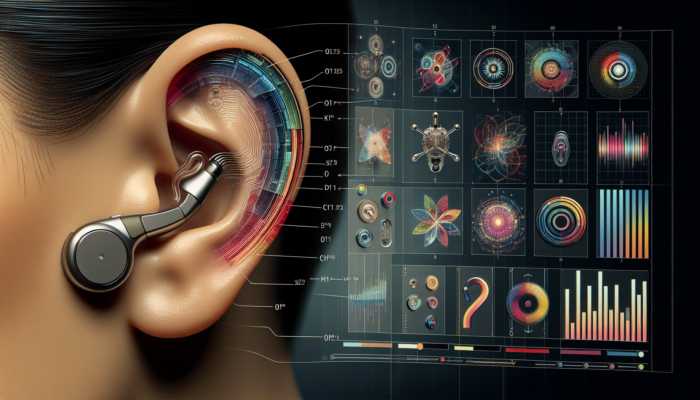
A close-up of an ear with a modern hearing aid, surrounded by colorful design options in a futuristic setting.

Analog Hearing Aids: Limited Customization Features

Customization options for analog hearing aids are relatively minimal. Users generally have the ability to adjust the volume manually, which may address basic hearing needs but lacks the ability for fine-tuning. This simplicity can appeal to users who prefer a straightforward experience without technical complications. However, the absence of customization options can lead to discomfort in varying environments, as users might struggle to adapt their devices to different sound levels and qualities experienced throughout their day.

For individuals with specific patterns of hearing loss, such as high-frequency loss, the inability to customize sound frequencies can be a significant limitation. Analog aids typically lack the advanced programming options that digital aids provide. Users may find themselves adjusting their listening environment rather than their devices, which can diminish their overall experience. Consequently, individuals experiencing more complex hearing challenges may find that exploring digital options offering tailored settings can greatly enhance their listening experience.

Maximizing Personalization with Digital Customization

Digital hearing aids are equipped with extensive customization capabilities, enabling users to create personalized listening preferences that align with their unique hearing profiles. These devices can be programmed with specific settings tailored for various environments, including quiet rooms, bustling streets, or crowded gatherings. Users can access these custom settings through specialized software, providing them the flexibility to adjust their hearing aids to suit their daily activities and specific auditory challenges.

The customization tools available for digital aids significantly enhance user comfort and overall satisfaction. By tailoring the audio experience to meet individual needs, users can enjoy a more natural sound environment that encourages effortless navigation through different auditory challenges. This personalized approach not only facilitates more engaging and fulfilling social interactions but also improves the overall quality of life. Furthermore, many digital aids now feature smartphone connectivity, allowing users to make real-time adjustments, further enhancing their auditory experience.

Enhancing User Experience Through Customization

Person adjusting modern digital hearing aid, surrounded by city street and quiet library, symbolizing customization and control.

The ability to customize digital hearing aids is pivotal in enriching the user experience. Many users report that having the option to adjust settings according to their surroundings leads to increased comfort and satisfaction. This level of personalization empowers users, enabling them to feel more in control of their hearing, which alleviates the stress often associated with navigating various listening environments. The freedom to adapt their hearing aids to suit different scenarios allows users to engage more fully in conversations and activities.

Moreover, the precision offered by digital aids can foster greater confidence in social settings, where hearing challenges are common. Users can participate in discussions without the persistent worry of missing out on critical details. This enhanced comfort not only improves their auditory experience but also positively impacts their overall well-being. The emphasis on personalization serves as a significant advantage of digital hearing aids, contributing to a more enjoyable and fulfilling life for individuals with hearing loss.

Advanced Customization Tools and Software for Hearing Aids

A variety of software tools are available for digital hearing aids, enabling users to make precise adjustments that align with their specific hearing requirements. These tools allow both audiologists and users to program hearing aids based on individual preferences and types of hearing loss. Software enhancements can encompass frequency adjustments, noise reduction settings, and specific amplification levels tailored to the user’s environment, ensuring optimal auditory performance.

Modern digital hearing aids often come equipped with companion apps for smartphones, allowing users to control their devices remotely. They can adjust volume levels or switch between settings with ease through these apps. Such convenience not only simplifies the process of adapting to different environments but also fosters greater engagement with their hearing aids. With the integration of advanced technology, the customization process has become increasingly user-friendly, ensuring that individuals can optimize their hearing experience to meet their lifestyles effectively.

Exploring Technology and Features in Hearing Aids

Understanding Analog Technology in Hearing Aids

Analog hearing aids operate on simpler technological platforms, which, while effective for a broad range of users, often lack the advanced features that are characteristic of modern hearing aids. Their primary function is to amplify sound, rendering them a cost-effective option for individuals experiencing mild to moderate hearing loss. However, this simplicity comes at the cost of additional features that significantly enhance the listening experience, including Bluetooth connectivity and sophisticated sound processing algorithms.

The straightforward nature of analog technology may be appealing for users who favor minimal fuss and ease of use. These devices do not require complex programming or intricate adjustments, which can be a considerable advantage for older individuals or those who prefer a traditional approach to hearing assistance. However, the trade-off is that users may miss out on the benefits provided by more advanced hearing technologies, especially in complex auditory environments. As the demand for feature-rich options increases, many individuals are opting for digital aids to leverage the latest advancements in hearing technology.

Harnessing the Power of Digital Technology in Hearing Aids

Digital hearing aids signify a remarkable progression in auditory technology, featuring advanced functionalities that substantially enhance the user experience. These devices utilize digital signal processing to deliver clearer sound quality, effective noise reduction, and feedback management. Furthermore, numerous digital aids now offer Bluetooth connectivity, enabling users to stream audio directly from their smartphones or other devices, which is particularly beneficial for those who enjoy listening to music or participating in phone calls.

Additionally, the incorporation of directional microphones within digital aids allows users to concentrate on sounds originating from specific directions while minimizing background noise. This feature is especially advantageous in crowded environments, such as busy restaurants or public transport, where distinguishing speech from surrounding noise can be challenging. The continuous evolution of digital hearing aids ensures that users can expect ongoing improvements in features and functionalities, keeping them at the forefront of hearing technology.

Anticipating Future Trends in Hearing Aid Technology

The horizon for hearing aid technology is promising, with digital devices anticipated to evolve further through ongoing research and development efforts. Emerging technologies, including artificial intelligence and machine learning, are set to revolutionize the hearing aid experience, potentially leading to even more personalized listening experiences where devices learn users’ preferences and automatically adjust settings based on their environments.

Moreover, the integration of telehealth services within hearing care represents another exciting trend on the horizon. Remote programming and adjustments can enable audiologists to fine-tune settings from a distance, providing users with enhanced convenience and accessibility. As digital hearing aids continue to adapt to the evolving needs of users, they are likely to become increasingly sophisticated, ensuring that individuals with hearing loss enjoy the best auditory experience possible.

Understanding Maintenance and Durability in Hearing Aids

Maintenance Requirements for Analog Hearing Aids

In terms of maintenance, analog hearing aids typically require less technical upkeep compared to their digital counterparts. Users often find that they need to make occasional volume adjustments, but overall, the simplicity of their technology means there are fewer components to manage. This straightforwardness can be appealing for users seeking a device that is easy to maintain without the necessity for regular software updates.

However, while analog aids may demand less technical maintenance, they often require more frequent adjustments to ensure optimal performance. Users might need to visit audiologists for fine-tuning or repairs, as wear and tear can impact the amplification quality over time. Additionally, the durability of analog aids tends to be lower than that of digital aids, as the technology does not benefit from the more robust materials and design enhancements seen in newer models.

Maintenance Considerations for Digital Hearing Aids

Digital hearing aids, while generally more durable, require regular software updates and maintenance to function optimally. This includes periodic checks and adjustments performed by audiologists to refine settings and ensure the technology operates efficiently. The advanced features of digital devices, such as noise reduction and feedback cancellation, may also necessitate updates to maintain their peak performance.

Despite the need for more frequent technical maintenance, many users find that the benefits of digital aids far outweigh the upkeep demands. Their increased reliability and longevity often make them a worthwhile investment. Furthermore, with proper care and routine check-ups, digital hearing aids can provide users with years of enhanced hearing experiences, proving to be a durable choice for those experiencing hearing loss.

Evaluating the Cost of Hearing Aid Upkeep

The cost of upkeep for hearing aids can vary significantly between analog and digital devices. Analog aids typically have lower initial costs and minimal ongoing expenses, making them an appealing option for budget-conscious individuals. However, the frequent adjustments required may ultimately lead to increased long-term costs, as users will need to make regular visits to audiologists for maintenance and fine-tuning.

Conversely, digital hearing aids generally feature higher initial prices and may involve more considerable ongoing costs due to software updates and potential repairs. Nevertheless, the advanced features and benefits they offer often justify the investment for users facing more complex hearing challenges. When considering the cost of upkeep, individuals must weigh both the financial implications and the overall improvements in quality of life that hearing aids can provide.

Assessing Power and Battery Life in Hearing Aids

Power Consumption in Analog Hearing Aids

Analog hearing aids usually consume less power than digital models, resulting in extended battery life. This energy efficiency can be particularly beneficial for users who prefer minimal hassle associated with frequent battery replacements. The straightforward operation of analog devices means that users can usually rely on them for longer periods before needing to change batteries, enhancing the overall user experience.

However, while the extended battery life is a significant advantage, it is vital to recognize that the sound processing capabilities of analog aids are limited. Users may find themselves sacrificing sound quality and advanced features in favor of longevity. This trade-off emphasizes the importance of understanding personal hearing needs and how they align with available technology choices.

Power Usage in Digital Hearing Aids

Digital hearing aids typically consume more power due to their advanced processing capabilities and features. As a result, users may have to change batteries more frequently compared to analog aids. Although this increased power consumption may be seen as a downside, many digital hearing aids now incorporate rechargeable batteries, providing a convenient solution that eliminates the need for regular battery changes.

The transition towards rechargeable technology not only addresses the power consumption issue but also enhances user convenience. Many users appreciate the ability to charge their hearing aids overnight, ensuring they are ready for the day ahead. Overall, advancements in battery technology are consistently improving the power efficiency of digital devices, helping to alleviate concerns related to battery life.

Innovations in Battery Technology for Hearing Aids

Battery technology is undergoing significant evolution, with improvements expected to benefit both analog and digital hearing aids. New developments in battery efficiency and longevity are set to enhance the overall performance of hearing aids, allowing users to enjoy longer durations of use without the need for frequent replacements. These advancements will cater to the growing demand for more reliable and user-friendly hearing solutions.

Innovations such as lithium-ion batteries are becoming increasingly common in digital aids, offering users greater convenience and efficiency. The trend towards rechargeable options is likely to shape the future of hearing aids, allowing for fewer concerns regarding battery changes and enhancing the overall user experience. As technology continues to advance, the benefits of improved battery technology will play a critical role in defining the next generation of hearing aids.

Accessibility and Affordability of Hearing Aids

The Affordability of Analog Hearing Aids

Analog hearing aids are often more affordable and widely available, making them suitable for individuals with basic hearing needs. Their lower price point makes them an attractive option for those who may not have the financial resources to invest in more technologically advanced devices. This accessibility allows individuals from various economic backgrounds to obtain the hearing assistance they need without incurring significant expenses.

However, while analog aids serve as a budget-friendly solution, their limited features may not adequately meet the needs of users with more complex hearing loss. Individuals requiring advanced functionality may ultimately benefit from investing in digital aids, despite the higher initial costs. The affordability of analog devices underscores the importance of evaluating personal hearing needs against long-term benefits versus upfront expenses.

Digital Hearing Aids: Accessibility and Investment

While digital hearing aids typically come with a higher price tag, they offer advanced features that are crucial for managing complex hearing loss. Their ability to deliver superior sound quality, effective noise reduction, and extensive customization options can significantly enhance the lives of users with moderate to severe hearing challenges. Investing in digital aids can lead to improved social interactions and overall quality of life for many individuals.

Despite their higher costs, numerous manufacturers and organizations provide financing options and assistance programs to facilitate access to the technology individuals need. Additionally, as technology continues to evolve, the prices of digital aids may decrease, making them more accessible to a broader population. This shift toward affordability in digital hearing aids is essential for ensuring that everyone has the opportunity to experience enhanced hearing capabilities.

Financial Considerations When Choosing Hearing Aids

Deciding between analog and digital hearing aids often depends on budget considerations and the severity of hearing loss. Individuals with mild hearing loss may find analog aids sufficient for their needs, while those facing more complex challenges might benefit significantly from the advanced features offered by digital aids, justifying the higher investment. Users must carefully assess their financial situations in relation to their hearing requirements to make an informed choice.

Additionally, it is crucial to consider the ongoing costs associated with hearing aids, such as maintenance, battery replacements, and necessary adjustments. While analog aids may have lower upfront costs, the cumulative ongoing expenses can add up over time. Ultimately, the decision between analog and digital aids should take into account both immediate financial implications and long-term quality of life improvements to ensure the best auditory experience possible.

User Feedback and Satisfaction with Hearing Aids

Insights from Analog Hearing Aid Users

Users of analog hearing aids frequently express satisfaction stemming from the simplicity and cost-effectiveness of these devices. Many appreciate the straightforward operation that does not require technical knowledge or complicated settings. For individuals who prefer a no-frills approach to hearing assistance, analog aids provide a familiar and effective solution that meets their basic needs.

However, feedback from users also highlights several limitations. Many individuals experience frustration in noisy environments where background noise can interfere with their ability to hear conversations clearly. While analog aids serve well for basic amplification, those who require more sophisticated sound management may find themselves leaning toward digital options as their hearing needs evolve. This dichotomy emphasizes the significance of individual assessment in selecting the most appropriate hearing aids.

Experiences of Digital Hearing Aid Users

Users of digital hearing aids often express appreciation for the advanced features and extensive customization options available to them. The ability to adjust settings according to specific listening environments greatly enhances user satisfaction. Many individuals report feeling more confident in social situations, where clear communication is crucial, thanks to the superior sound quality and effective noise reduction capabilities of digital aids.

Feedback from users also highlights the learning curve associated with digital devices. Some may initially feel overwhelmed by the technology; however, they often discover that the benefits far outweigh the initial challenges. The overall trend indicates an increase in satisfaction with digital aids as users become more accustomed to their features and functionalities. This growing trend reflects a broader recognition of the importance of tailored hearing solutions in enhancing quality of life.

Trends in Overall Satisfaction with Hearing Aids

There is a noticeable shift towards digital hearing aids, driven by their enhanced capabilities and user satisfaction. As more individuals become aware of the advantages of advanced technology, they are increasingly opting for digital solutions. This trend is not solely due to superior sound quality and customization options but also reflects the improved functionality that digital aids offer in various listening environments.

Furthermore, the ongoing evolution of digital technology, including the integration of artificial intelligence and telehealth services, continues to positively shape user experiences. As individuals explore the benefits of digital aids, many report significant improvements in their overall hearing satisfaction, emphasizing the importance of staying updated with technological advancements.

Comparative Feedback on Analog and Digital Hearing Aids

Users frequently compare the reliability and ease of use of analog aids with the technological advantages and learning curve associated with digital aids. Many appreciate the straightforward nature of analog technology, particularly for addressing basic hearing needs. However, as users’ hearing challenges become more pronounced, they may find themselves drawn to digital aids for their comprehensive features and adaptability.

The feedback illustrates an ongoing dialogue between simplicity and advanced functionality. While analog aids remain a viable option for some, digital aids are increasingly favored for their ability to offer tailored solutions that cater to complex hearing requirements. This ongoing evolution in user preferences underscores the importance of understanding the diverse needs of individuals with hearing loss.

Frequently Asked Questions About Hearing Aids

What distinguishes analog hearing aids from digital ones?

The primary distinction lies in sound processing: analog aids amplify sound directly, while digital aids convert sound into digital signals for precise adjustments in clarity and volume.

Which hearing aid type excels in handling background noise?

Digital hearing aids are generally superior for managing background noise due to their advanced sound processing capabilities, which allow users to focus on specific sounds.

Are analog hearing aids more affordable than digital models?

Yes, analog hearing aids tend to be less expensive upfront, but they may lack advanced features and require more frequent adjustments, impacting long-term costs.

How frequently should I change the batteries in my hearing aids?

The frequency of battery changes varies; analog aids typically have longer battery life, while digital aids may require more frequent changes due to their power consumption.

Can I customize my digital hearing aids to suit my needs?

Absolutely, digital hearing aids offer extensive customization options, allowing users to program settings based on their specific listening environments and preferences.

What features can I expect from digital hearing aids?

Digital hearing aids often include features such as Bluetooth connectivity, directional microphones, and advanced noise reduction capabilities that enhance user experience.

Is a prescription necessary for obtaining hearing aids?

Yes, a prescription or consultation with an audiologist is typically recommended to determine the most suitable hearing aid for your specific needs.

How long do hearing aids usually last?

On average, hearing aids can last about 3 to 5 years, but this lifespan can vary depending on the type of device and how well it is maintained.

Are rechargeable hearing aids a worthwhile investment?

Yes, rechargeable hearing aids can provide convenience by eliminating the need for frequent battery changes, making them a popular choice among users.

What steps can I take to enhance my hearing aid experience?

Regular maintenance, proper fitting, and utilizing customization options can significantly improve your overall hearing aid experience.

Discover our journey on X!

The post Analog vs. Digital Hearing Aids: Key Differences Explained appeared first on The Microsuction Ear Wax Removal Network.